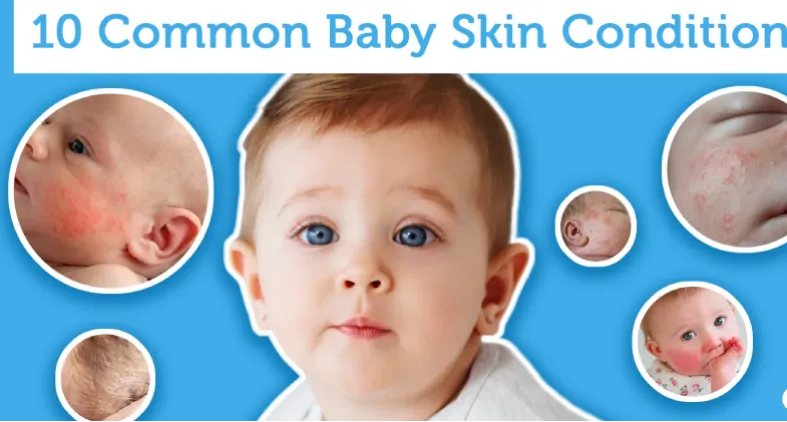
Newborn skin is incredibly soft, delicate, and sensitive. During the first few weeks of life, it is completely normal for babies to develop various skin conditions that may worry new parents. From tiny red bumps to dry patches and diaper rash, most newborn skin problems are harmless and temporary when properly cared for.
Understanding the causes, symptoms, and safe treatments for common newborn skin issues can help parents respond calmly and effectively. In this comprehensive guide, we will explore the most frequent newborn skin problems and provide practical, pediatrician-recommended solutions to keep your baby’s skin healthy, comfortable, and protected.
Why Newborn Skin Problems Are Common
A baby’s skin is still developing after birth. Compared to adult skin, newborn skin is:
- Thinner and more sensitive
- More prone to moisture loss
- Easily irritated by heat, friction, and chemicals
- Still adjusting to the outside environment
Because of these factors, mild skin conditions are very common during the first few months.
Most Common Newborn Skin Problems and How to Treat Them
1. Baby Acne (Neonatal Acne)
What it looks like: Small red or white bumps on the cheeks, nose, or forehead.
Causes:
- Exposure to maternal hormones
- Overactive oil glands
Solutions:
- Gently wash baby’s face with lukewarm water
- Use a mild, fragrance-free baby cleanser
- Avoid oily lotions on the face
- Do not squeeze or scrub
Baby acne usually clears on its own within a few weeks.
2. Diaper Rash
What it looks like: Red, irritated skin in the diaper area, sometimes with small bumps.
Common causes:
- Wet or dirty diapers left too long
- Friction from tight diapers
- Sensitivity to wipes or diapers
- Yeast infection in some cases
Effective solutions:
- Change diapers frequently
- Keep the diaper area clean and dry
- Use a zinc oxide diaper rash cream
- Allow diaper-free time daily
- Choose breathable, high-quality diapers
If the rash lasts more than 3–4 days or looks severe, consult a doctor.
3. Heat Rash (Prickly Heat)
What it looks like: Tiny red or pink bumps, often on the neck, chest, back, or skin folds.
Why it happens:
- Overheating
- Sweating in hot and humid weather
- Wearing too many layers
Simple solutions:
- Dress baby in light, breathable cotton
- Keep the room cool and well-ventilated
- Avoid heavy creams in hot weather
- Give lukewarm sponge baths
4. Dry and Peeling Skin
What it looks like: Flaky, peeling skin—especially common in the first weeks after birth.
Causes:
- Normal post-birth skin shedding
- Low humidity
- Frequent bathing
Best care tips:
- Use a gentle baby moisturizer daily
- Limit baths to 2–3 times per week
- Use lukewarm (not hot) water
- Choose soap-free baby cleansers
5. Cradle Cap (Seborrheic Dermatitis)
What it looks like: Yellowish, greasy scales on the scalp.
Why it develops:
- Overactive oil glands
- Hormonal changes
- Not related to poor hygiene
Safe treatment:
- Gently massage scalp with baby oil
- Wash with mild baby shampoo
- Use a soft baby brush to loosen flakes
- Avoid picking the scales
6. Baby Eczema (Atopic Dermatitis)
What it looks like: Dry, red, itchy patches—often on cheeks, arms, or legs.
Possible triggers:
- Family history of allergies
- Dry skin
- Irritating fabrics
- Fragranced products
Management tips:
- Moisturize at least twice daily
- Use fragrance-free products
- Dress baby in soft cotton clothing
- Avoid overheating
Daily Newborn Skin Care Routine
- Bathe baby 2–3 times weekly
- Use mild, fragrance-free products
- Moisturize immediately after bath
- Change diapers frequently
- Dress baby according to weather
- Wash baby clothes with gentle detergent
- Avoid adult skincare products
When Should Parents Worry?
- Rash with fever
- Oozing or bleeding skin
- Rapidly spreading rash
- Signs of infection (pus, swelling)
- Severe itching or discomfort
- Rash not improving after several days
Newborn skin problems can look alarming, but most are completely normal and easy to manage with gentle care. By understanding the common causes and following a simple skincare routine, parents can keep their baby’s skin soft, healthy, and irritation-free.
Always choose mild baby products, avoid over-treating the skin, and consult your pediatrician if any condition seems unusual or persistent. With the right approach, your newborn’s delicate skin will stay protected and comfortable every day.
Frequently Asked Questions (FAQ)
Is it normal for newborns to have skin problems?
Yes. Most newborns experience temporary skin conditions as their skin adjusts to the outside world.
How often should I bathe my newborn?
2–3 times per week is usually enough. Overbathing can dry out the skin.
Can I use regular lotion on my newborn?
No. Always use products specifically formulated for babies and free from harsh fragrances.
How long do newborn rashes usually last?
Many common rashes clear within a few days to a few weeks with proper care.
What is the best way to prevent diaper rash?
Frequent diaper changes, keeping the area dry, and using a protective diaper cream are most effective.