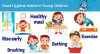
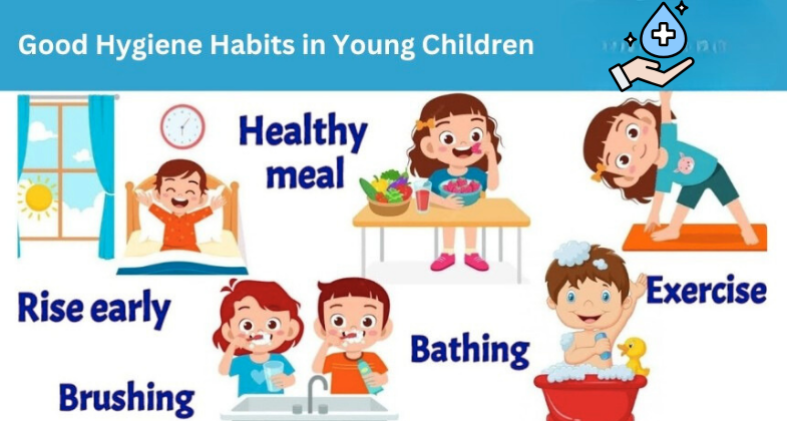
Teaching your child good hygiene is one of the most important responsibilities of parenting. Proper hygiene habits not only keep children healthy but also build confidence, independence, and lifelong self-care routines. From washing hands correctly to brushing teeth daily, small habits learned early can make a big difference. The key is to make hygiene education fun, simple, and consistent so children naturally adopt these healthy behaviors.
Why Teaching Good Hygiene to Children Matters
Good hygiene protects children from germs, infections, and common illnesses. It also helps them develop social confidence and personal responsibility. When kids learn hygiene early, they are more likely to carry these healthy habits into adulthood.
- Prevents common infections and illnesses
- Builds self-confidence and independence
- Promotes healthy daily routines
- Encourages responsibility from an early age
Start Teaching Hygiene Early
The best time to introduce hygiene habits is during early childhood. Even toddlers can begin learning simple routines like handwashing and toothbrushing. Use age-appropriate language and demonstrate the steps clearly.
Tip: Children learn best by watching parents. Always model the behavior you want them to follow.
Make Handwashing a Fun Routine
Handwashing is the most important hygiene habit for children. Teach your child to wash hands:
- Before eating
- After using the toilet
- After playing outside
- After coughing or sneezing
How to make it fun:
- Sing a 20-second song while washing
- Use colorful soaps
- Create a reward chart
Teach Proper Tooth Brushing Habits
Dental hygiene should start as soon as the first tooth appears. Help your child brush twice daily using a soft, child-friendly toothbrush and a small amount of fluoride toothpaste.
Best practices:
- Brush for at least 2 minutes
- Supervise brushing until age 6–7
- Replace toothbrush every 3 months
- Make brushing part of morning and bedtime routine
Build a Consistent Bathing Routine
Regular bathing keeps your child’s skin clean and prevents body odor and rashes. Depending on age and activity level, most children benefit from daily or every-other-day baths.
- Use mild, baby-safe soap
- Wash hair 2–3 times per week
- Pay attention to neck, underarms, and behind ears
- Dry skin gently after bathing
Teach Nail and Hair Care
Good hygiene also includes proper grooming. Keep your child’s nails trimmed and hair clean to prevent dirt buildup and infections.
- Trim nails weekly
- Teach kids not to bite nails
- Comb hair daily
- Check scalp regularly for cleanliness
Encourage Clean Clothing Habits
Wearing clean clothes is part of personal hygiene. Teach your child to change clothes daily, especially underwear and socks.
- Change after outdoor play
- Use breathable cotton fabrics
- Keep school uniforms clean
Use Positive Reinforcement
Children respond better to encouragement than punishment. Praise your child when they practice good hygiene independently.
- Use sticker reward charts
- Give verbal praise
- Celebrate small successes
Common Mistakes Parents Should Avoid
- Forcing children harshly
- Expecting perfection too early
- Not being consistent with routines
- Ignoring hygiene education in early years
Tips for Making Hygiene Habits Stick
- Keep routines consistent every day
- Use fun tools like colorful brushes and soaps
- Be a role model
- Stay patient and encouraging
Teaching your child good hygiene is an investment in their lifelong health and confidence. By starting early, keeping routines fun, and staying consistent, parents can help children develop strong personal care habits that last forever. Remember, patience and positive reinforcement are the keys to success. With the right approach, good hygiene will become a natural part of your child’s daily life.
Frequently Asked Questions (FAQs)
At what age should I start teaching hygiene to my child?
You can start basic hygiene habits like handwashing and brushing teeth as early as toddler age. The earlier you start, the easier it becomes for children to adapt.
How often should children bathe?
Most children should bathe daily or every other day, depending on their activity level and weather conditions.
How can I make hygiene fun for my child?
Use songs, colorful hygiene products, reward charts, and positive praise to make hygiene routines enjoyable.
When can kids brush their teeth alone?
Most children can brush independently around age 6–7, but parental supervision is recommended to ensure proper cleaning.