In 2026, personalized baby food plans are transforming how parents approach infant nutrition. Instead of generic feeding charts, families are choosing customized baby meal plans tailored to age, growth milestones, allergies, digestion, and pediatric recommendations. With rising awareness around immunity, gut health, and developmental nutrition, personalized infant feeding plans help ensure babies receive the right nutrients at the right time.
This complete guide explains how to build a safe, balanced nutrition plan for your child.
What Are Personalized Baby Food Plans?
A personalized baby food plan is a customized feeding routine designed according to:
- Baby’s age and developmental stage
- Weight and growth pattern
- Allergy risks or food sensitivities
- Breastfed or formula-fed status
- Cultural or regional food preferences
Unlike traditional feeding schedules, personalized nutrition focuses on balanced macronutrients, iron-rich foods, healthy fats, and gradual texture progression.
Why Personalized Baby Nutrition Matters in 2026
Modern research highlights that the first 1,000 days of life are critical for brain development, immunity, and long-term health. A customized infant meal plan helps:
- Support healthy weight gain
- Strengthen immunity
- Improve digestion and gut health
- Reduce allergy risks
- Encourage healthy eating habits
Parents today are more informed and prefer organic baby food options, chemical-free ingredients, and age-specific feeding guidance.
Age-Wise Personalized Baby Food Plan
6–8 Months: Starting Solids & Complementary Feeding
At this stage, babies begin complementary feeding alongside breast milk or formula.
Best foods to introduce:
- Iron-fortified baby cereal
- Mashed vegetables (pumpkin, carrot, sweet potato)
- Pureed fruits (banana, apple, pear)
- Mashed lentils
Focus on:
- Smooth texture
- Iron-rich foods
- Introducing one new food at a time
8–10 Months: Texture Progression & Nutrient Balance
Babies can handle slightly thicker textures and soft finger foods.
Add:
- Soft rice and mashed khichdi
- Scrambled egg yolk
- Yogurt
- Steamed soft vegetables
- Soft fruits in small pieces
Focus on:
- Protein inclusion
- Healthy fats
- Self-feeding practice
10–12 Months: Transition to Family Foods
At this stage, babies can eat modified family meals.
Include:
- Soft chapati pieces with dal
- Rice with vegetables and protein
- Soft chicken or fish (boneless)
- Nut pastes (if allergy-safe)
Focus on:
- Balanced meals
- Reduced salt and sugar
- Encouraging independent eating
Homemade vs Store-Bought Baby Food
Both options can fit into a personalized baby meal plan.
Homemade Baby Food
- Fresh and customizable
- Budget-friendly
- No preservatives
Store-Bought Baby Food
- Convenient
- Portion-controlled
- Often fortified with iron and vitamins
Choose BPA-free packaging and check ingredient labels carefully.
Key Nutrients for Infant Growth & Development
- Iron: Supports brain development
- Protein: Builds muscles and tissues
- Healthy fats: Essential for brain growth
- Calcium: Strengthens bones
- Vitamin D: Supports immunity
- Zinc: Boosts growth
Iron-rich baby foods like lentils, spinach puree, and fortified cereals are especially important from 6 months onward.
Allergy-Friendly & Safe Feeding Tips
- Introduce allergens one at a time
- Monitor for 24 hours after introducing new food
- Avoid honey before 1 year
- Limit salt and sugar
- Ensure proper food texture to prevent choking
Consult a pediatrician before major dietary changes.
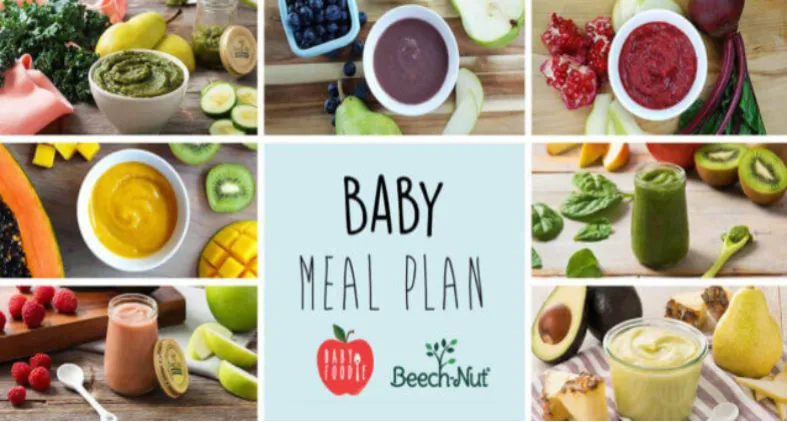
Sample Personalized Baby Meal Plan (6–12 Months)
- Morning: Breast milk or formula
- Breakfast: Iron-fortified cereal + fruit puree
- Lunch: Vegetable mash + protein source
- Snack: Yogurt or fruit
- Dinner: Soft rice with dal or vegetable puree
Adjust portion size based on appetite and growth stage.
Baby-Led Weaning vs Traditional Feeding
In 2026, many parents combine baby-led weaning with spoon-feeding. This hybrid method:
- Encourages motor skill development
- Builds chewing ability
- Promotes healthy food relationships
Choose the method that suits your baby’s readiness and comfort level.
Personalized Baby Food Plans in Bangladesh
For parents in Bangladesh, culturally familiar foods like rice, lentils, khichdi, pumpkin, and seasonal fruits can easily be part of a balanced infant feeding plan. Focus on hygiene, clean water preparation, and fresh ingredients for safe nutrition.
Personalized baby food plans in 2026 focus on age-specific nutrition, safe feeding practices, and balanced meal planning. By tailoring your baby’s diet to their growth milestones and nutritional needs, you can build a strong foundation for lifelong health. Whether you prefer homemade meals or organic store options, a structured and flexible infant nutrition plan ensures your baby grows healthy, active, and happy.
Frequently Asked Questions (FAQ)
What is a personalized baby food plan?
A customized feeding plan tailored to a baby's growth, age, and nutritional needs.
When should I start personalized feeding?
At 6 months, alongside breast milk or formula, after pediatric consultation.
Is homemade or store-bought baby food better?
Both can be healthy if prepared safely and chosen carefully based on quality ingredients.
What nutrients are most important for infants?
Iron, protein, healthy fats, calcium, and vitamin D are crucial during the first year.
How can I reduce allergy risks?
Introduce new foods gradually and monitor for reactions before adding another food.