Toddler tantrums are one of the most challenging phases of early parenting. Sudden crying, screaming, refusing to listen, or throwing things can leave parents feeling stressed, embarrassed, and unsure of what to do next. In Bangladesh, where children often grow up in joint families and spend time in public spaces like markets, family gatherings, and schools, handling tantrums calmly becomes even more important.
This guide explains why toddler tantrums happen and how Bangladeshi parents can manage them patiently while supporting healthy emotional development.
What Are Toddler Tantrums
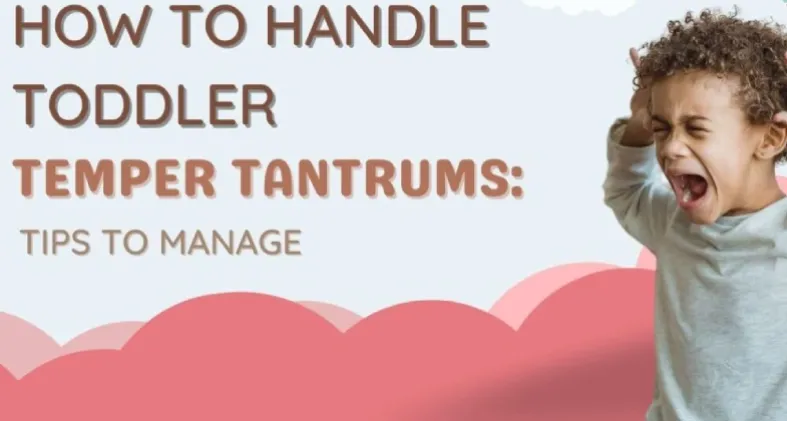
Toddler tantrums are emotional outbursts that usually occur between the ages of 1 and 4 years. At this stage, children are learning to express emotions but lack the language and self-control to do so calmly. As a result, frustration often comes out as crying, shouting, or stubborn behavior.
Tantrums are not a sign of bad parenting or a naughty child. They are a normal part of child development.
Common Reasons Behind Toddler Tantrums
Toddler tantrums often result from a combination of emotional and physical factors. When children struggle with communication difficulties, they feel frustrated because they cannot clearly express their needs or feelings. Hunger and tiredness also play a major role, especially in busy Bangladeshi households where daily routines may change. Many toddlers seek attention, and in joint families, divided focus can make them feel ignored. At the same time, toddlers naturally desire independence and may react emotionally when adults stop them from doing things on their own. Overstimulation from crowded environments, loud noise, frequent guests, or excessive screen time can further overwhelm their senses, leading to sudden emotional outbursts.
How to Handle Toddler Tantrums Calmly
Handling toddler tantrums calmly starts with the parent’s own behavior. Children closely observe and mirror adult emotions, so staying calm and speaking slowly helps them feel safe and reduces the intensity of the outburst. Getting down to the child’s level and acknowledging their feelings with simple, reassuring words makes them feel understood rather than ignored. It is also important to avoid public shaming, which may temporarily stop the behavior but can undermine emotional trust in the long run. Offering simple choices gives toddlers a sense of control, while gentle distraction through songs, stories, or familiar objects can shift their focus. During a tantrum, keeping words short and clear is most effective, as long explanations can confuse or frustrate a child further.
What Parents Should Avoid During Tantrums
Avoid shouting or hitting, giving in every time just to stop crying, comparing the child with others, threatening or scaring the child, and completely ignoring emotional needs. These actions may increase fear or stubbornness and make tantrums more frequent.
Preventing Tantrums Before They Start
Preventing toddler tantrums becomes easier when parents focus on consistency and preparation. Maintaining a routine for meals, naps, and playtime helps toddlers feel secure and understand what to expect throughout the day. Limiting screen time and encouraging physical play, storytelling, and family interaction support better mood and behavior. Preparing a child in advance before outings or activity changes reduces sudden frustration, while praising good behavior gives positive reinforcement and lessens attention-seeking tantrums. Ensuring enough rest is equally important, as a well-rested toddler can manage emotions more calmly than one who is tired or overstimulated.
Role of Family Members in Bangladesh
In Bangladeshi families, grandparents and relatives often help raise children. All caregivers must follow similar parenting approaches to avoid confusion for the child.
When to Seek Professional Help
Occasional tantrums are normal. Consider consulting a child specialist if tantrums occur very frequently, involve self-harm or aggression, or continue intensely beyond early childhood.
Handling toddler tantrums calmly is a skill that grows with patience and practice. For Bangladeshi parents, calm and respectful responses help build emotional strength, trust, and long-term positive behavior in children.